Cancer research often takes place far away from the patient, in a university laboratory. At Ziekenhuis aan de Stroom (ZAS) in Antwerp, they take a different approach. Research happens within the hospital walls, close to everyday clinical practice and close to the patient.
Dr. Peter Vermeulen, department head at the Oncology Center Antwerp (ZAS), and Bea Van Valkenburg, entrepreneur and driving force behind KOZAS vzw, explain how this approach works and why proximity truly matters.
What is KOZAS and how are you involved?
Bea Van Valkenburg:
“KOZAS stands for Kankeronderzoek aan de Stroom, a not-for-profit organisation founded to support oncology research within the Antwerp hospital ZAS. We raise funds to make it possible for research to be conducted here, inside the hospital itself.”
Peter Vermeulen:
“We don’t just have a large oncology centre; we also have a clinical research unit and a preclinical laboratory. KOZAS helps make that entire operation possible.”
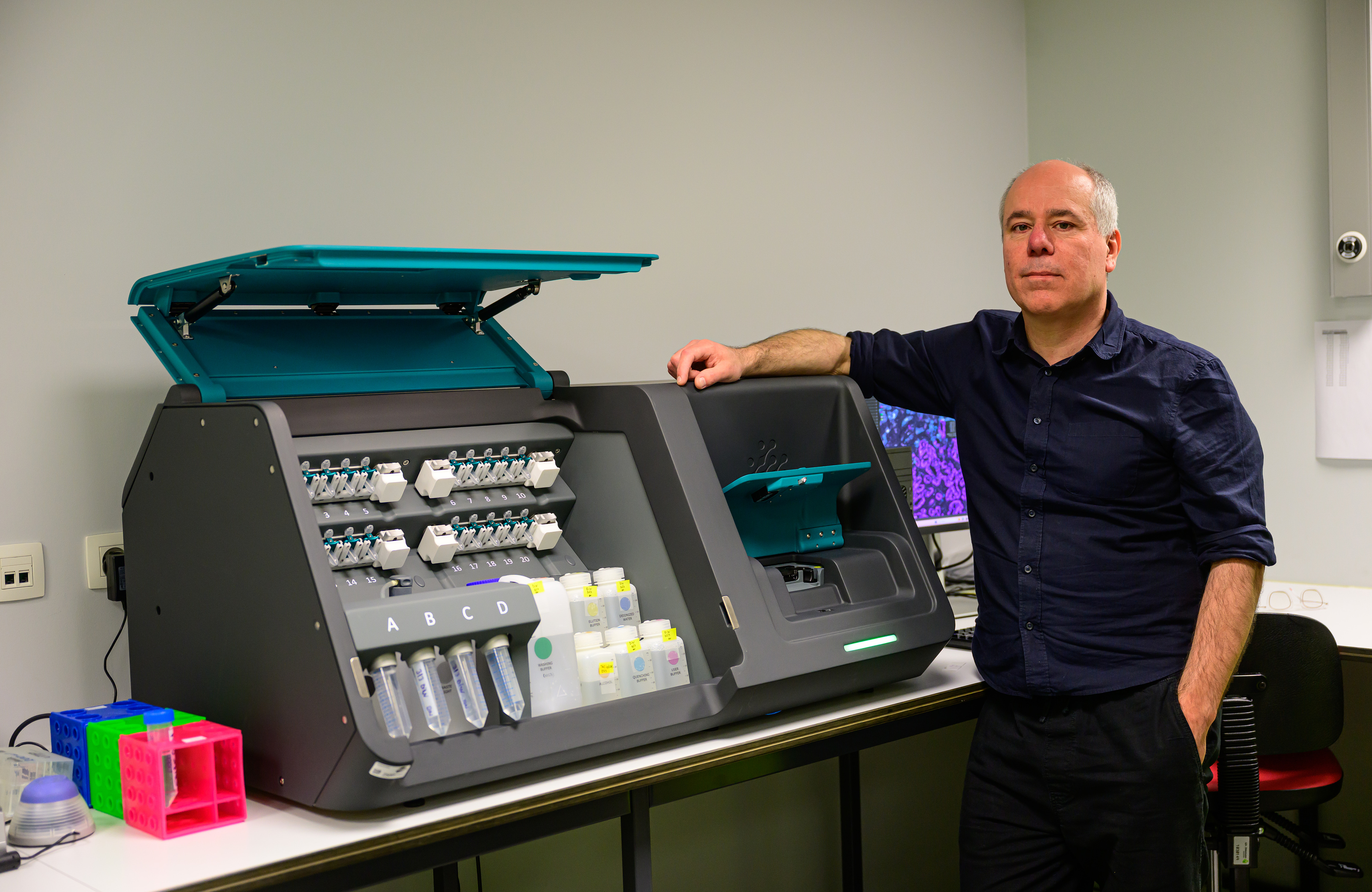
Peter: “What sets ZAS apart is that research is not carried out remotely, but fully integrated into the daily workings of the hospital. Patient samples can be processed and analysed immediately. That speed is crucial. We sometimes even say that, in a way, it would be almost unethical not to do research with them.
At the same time, we also try to organise research as closely to people as possible in a broader sense. Through the Oncology Research Advisory Board (OOR!), patients are involved right from the start. That’s where I met Bea.”
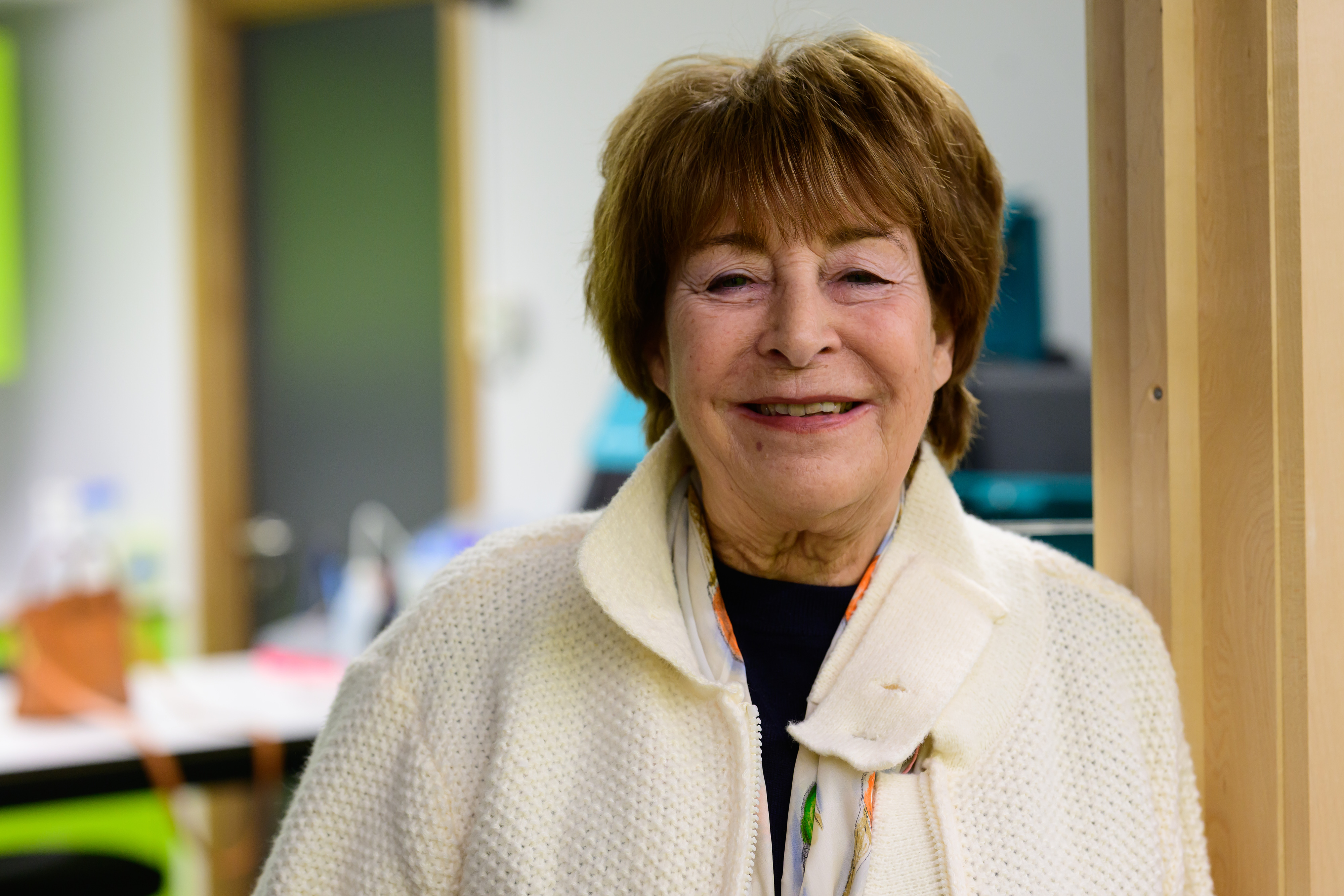
Bea: “Exactly. I’ve been treated here for breast cancer for quite some time myself, and as a patient you truly feel that sense of proximity. I participated in a clinical study and, through OOR!, gained insight into how research actually works. From the front row, you see just how much expertise is present, but also how dependent all of this is on funding.
With my background in business, I wanted to give something back. I have experience in mobilising people and resources, as well as a strong network in Antwerp. That turned out to be valuable here, and that’s how KOZAS was founded.”
Peter: “Our focus is on liver metastases, cancer spread to the liver. It may sound like a niche area, but liver metastases occur in many different cancers, including colorectal cancer, breast cancer and melanoma. What we see is that these metastases do not all behave in the same way. Some growth patterns are far more aggressive than others, and today we still do not fully understand why. That is exactly what we are trying to uncover at cellular level.”
Peter: “Research today no longer happens in isolation. We continuously collaborate with national and international partners. For example, we helped establish the Liver Metastasis Research Network, an international network focused on liver metastases. We share results, build on each other’s insights and combine expertise. For us, that is the only way to achieve real progress.”
Bea: “Engagement outside the medical world is equally important. People and companies often want to contribute, but they do not always fully understand what is happening here. That is exactly what our non-profit aims to do: make the research visible and understandable, so that more people feel connected to it.”
Peter: “Not directly overnight. What we do here is preclinical research, the stage that comes before clinical studies. It starts in the laboratory, then progresses through additional models, and only later moves into patient studies. That process takes years. But if we can better understand at cellular level how tumours grow and communicate, it may eventually mean that a patient can avoid an intensive therapy, or receive the right treatment much sooner.”
Bea: “It is a long process, and not always visible. But everything starts here. Without research, there is no progress.”
Subscribe to our newsletter and receive monthly news about LCL, our innovations, our services, our events